Understanding the WDR Strikes: Why Broadcasts Go Dark and the Shadow Over "Die Küchenschlacht"
Recent labor disputes within Germany's public service broadcasting sector have cast a long shadow over popular programming, leading to significant disruptions for viewers. At the heart of this issue are the ongoing strikes affecting broadcasters like Westdeutscher Rundfunk (WDR). While specific details about every single program’s fate might not always be immediately public, the context strongly suggests that beloved shows like "Die Küchenschlacht" are not immune to these interruptions. When we talk about a "
die küchenschlacht ausfall," we are referring to the potential or actual cancellation, postponement, or unscheduled replacement of episodes due to these industrial actions. This situation leaves many viewers wondering about the status of their favorite culinary competition and the broader implications for public broadcasting.
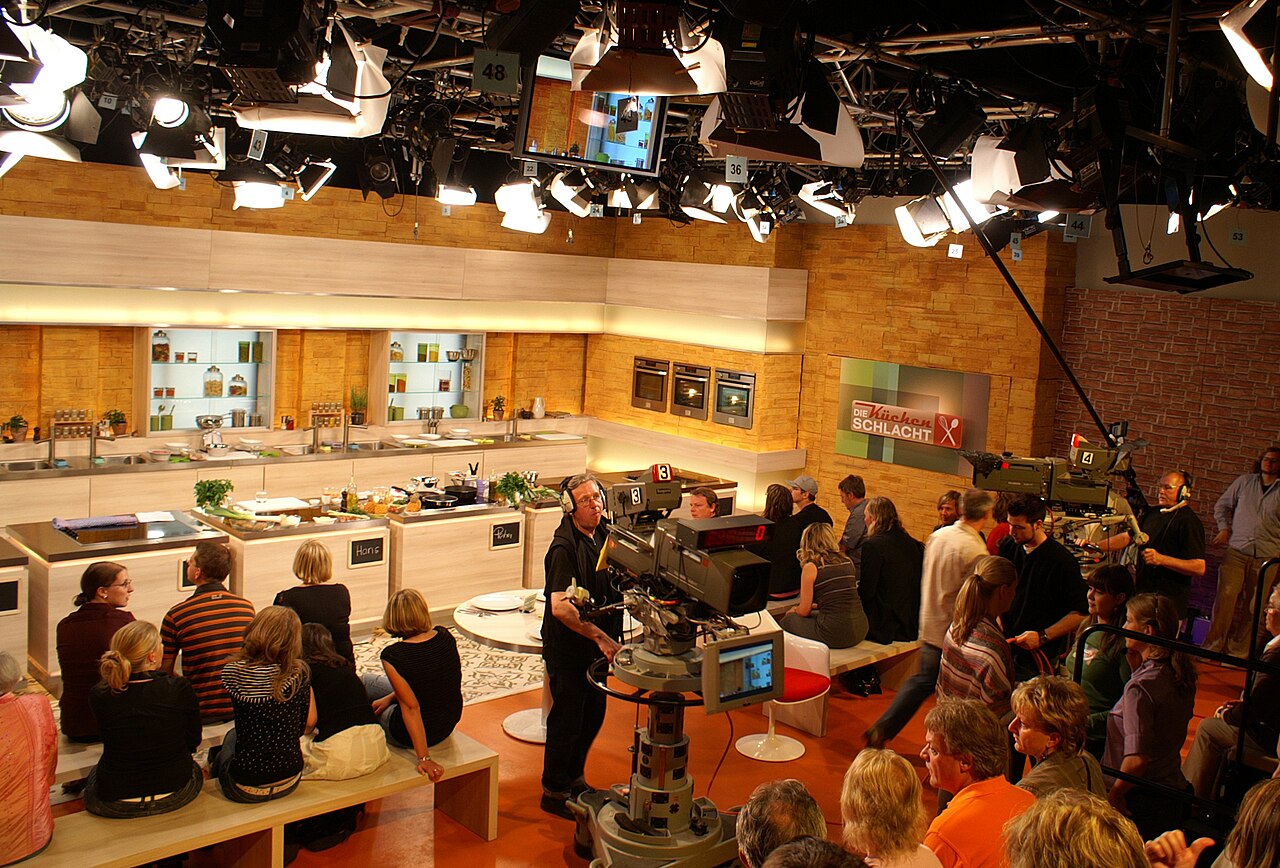
The WDR, a key member of the ARD consortium, plays a crucial role in providing news, education, and entertainment to millions in North Rhine-Westphalia and beyond. However, like many public service institutions, it faces complex negotiations regarding working conditions, wages, and staff welfare. Strikes are often a last resort for unions seeking to achieve better terms for their members, impacting everything from news bulletins to cultural programs. When employees across various departments, from editorial teams to technical staff, lay down their tools, the production and broadcast schedule inevitably suffer. For a show as intricate as "Die Küchenschlacht," which relies on a diverse crew, kitchen facilities, and celebrity chefs, even a short-term strike can quickly lead to an unscheduled "
die küchenschlacht ausfall." The ripple effect can disrupt entire production cycles, meaning that even after a strike concludes, it might take time for normal programming to resume, as new episodes need to be filmed, edited, and scheduled.
These industrial actions are a stark reminder of the human effort behind every minute of television we consume. They highlight the often-underestimated work of countless individuals who ensure that programs like "Die Küchenschlacht" can entertain and inform. While inconvenient for viewers, these strikes are a legitimate form of protest, aiming to secure fair conditions for those who dedicate their careers to public service broadcasting.
The Potential "Die Küchenschlacht Ausfall": What It Means for Fans
The term "
die küchenschlacht ausfall" sends a ripple of disappointment through its dedicated fanbase. For many, "Die Küchenschlacht" is more than just a cooking show; it's a daily ritual, a source of culinary inspiration, and a comforting presence in their homes. Its format, featuring a rotating cast of professional chefs and ambitious amateur cooks battling it out in the kitchen, has garnered a loyal following who eagerly anticipate each episode's challenges and delicious outcomes. When an "Ausfall" occurs, it's not just a blank spot in the TV schedule; it's a disruption to their routine and a temporary loss of a cherished form of entertainment.
An "Ausfall" can manifest in several ways. It could mean:
- Complete Cancellation: Episodes are simply not broadcast, leaving a gap in the schedule.
- Postponement: Episodes are delayed and aired at a later date, often leading to uncertainty.
- Reruns: Instead of new content, previously aired episodes are shown, which can be a temporary solution but not what fans are typically hoping for.
- Temporary Replacements: Other programs, often less popular or generic filler content, are broadcast in the show's usual slot.
The emotional impact on fans can be significant. Many turn to social media or official WDR channels, searching for concrete information and expressing their frustration or understanding. The lack of direct, explicit confirmation of a "
die küchenschlacht ausfall" in some cases, as indicated by the broader context, only adds to the confusion. Viewers often feel a disconnect when their favorite shows vanish without clear communication. For a detailed look into how the wider WDR strikes are affecting the network’s programming, including indirect implications for shows like this, you can read more about
WDR Strike's Impact: Is Die Küchenschlacht Affected by Cancellations?. This uncertainty underscores the importance of transparent communication from broadcasters during times of industrial action.
Navigating Unscheduled Program Changes
For fans eager to stay informed during potential program disruptions, a few practical tips can help:
- Check Official WDR Sources: The official WDR website (wdr.de), their social media channels (e.g., Twitter, Facebook), and their official TV guides are the most reliable places for up-to-date information on programming changes. Look for dedicated announcements or updated schedules.
- Consult Digital TV Guides: Online TV portals or your set-top box's electronic program guide (EPG) often receive updates faster than printed guides.
- Look for Repetitions or Catch-Up TV: Even if a new episode is postponed, WDR might offer reruns or make previous episodes available on its online media library (ARD Mediathek).
- Join Fan Communities: Online forums and fan groups can sometimes provide quick updates or share information from official sources, though always cross-reference with official channels.
Staying proactive in seeking information can significantly reduce the frustration associated with an unexpected "
die küchenschlacht ausfall."
Beyond the Kitchen: The Broader Impact of Broadcast Disruptions
The consequences of broadcast disruptions, such as a "
die küchenschlacht ausfall," extend far beyond the immediate disappointment of viewers. They highlight systemic challenges within the media landscape, particularly concerning public service broadcasters. These institutions, funded by public fees, have a mandate to provide high-quality, diverse, and impartial content, from news and documentaries to entertainment and cultural programs. When their ability to deliver this content is compromised by strikes, it sparks important discussions about funding models, employee welfare, and the resilience of public media.
Economically, prolonged strikes can lead to significant financial strain for broadcasters. Lost advertising revenue (though less critical for public broadcasters, still a factor for some content), operational costs associated with disputes, and the challenge of regaining viewer trust can accumulate. Socially, disruptions can lead to a perceived void in public discourse, especially if news and current affairs programming are affected. For entertainment shows like "Die Küchenschlacht," the impact is more on leisure and cultural consumption, potentially driving audiences to alternative platforms or commercial broadcasters. This shifting of viewership, even temporarily, can have long-term implications for audience loyalty and engagement with public media.
The situation surrounding the potential "
die küchenschlacht ausfall" is a microcosm of a larger struggle: balancing the fundamental rights of employees to fair working conditions and adequate compensation with the public's right to uninterrupted access to quality broadcasting. Public broadcasters are under constant scrutiny to demonstrate efficiency and value for money, while simultaneously needing to attract and retain talented staff in a competitive media environment. It's a delicate equilibrium, and labor disputes often arise when that balance is perceived to be skewed. For a comprehensive overview of the current reporting and the absence of direct confirmations regarding the show's status during these times, consider reading
No Direct News on Die Küchenschlacht Ausfall Amid WDR Strike, which sheds light on the informational gaps.
Alternatives for Culinary Entertainment During an Ausfall
Should you face a "
die küchenschlacht ausfall," there are plenty of ways to satisfy your craving for culinary content or even get hands-on in the kitchen:
- Explore Other Cooking Shows: Many streaming platforms and other TV channels offer a vast library of cooking competitions, instructional series, and food documentaries from around the world.
- Dive into Online Recipes: Websites like Chefkoch.de (a popular German recipe site) or international culinary blogs offer endless inspiration. Why not try recreating a dish you've seen on "Die Küchenschlacht"?
- WDR Mediathek: Even if new episodes are halted, the ARD Mediathek (which hosts WDR content) often has an archive of past "Die Küchenschlacht" episodes or clips. It’s a great way to revisit classics.
- Cook at Home: The ultimate alternative! Use the break as an opportunity to experiment in your own kitchen. Challenge yourself with a new recipe, perfect a technique, or simply enjoy the process of creating a meal from scratch.
- Food Podcasts and Audiobooks: For those who enjoy multi-tasking, a plethora of food-related podcasts and audiobooks can offer insights into culinary history, chef interviews, or cooking tips while you go about your day.
An "Ausfall" doesn't have to mean an end to your culinary journey; it can be an invitation to explore new avenues of gastronomic delight.
Looking Ahead: The Future of "Die Küchenschlacht" Amid Labor Disputes
While a "
die küchenschlacht ausfall" can be disheartening, it's important to remember that such disruptions are typically temporary. Labor disputes eventually resolve, either through negotiation, mediation, or arbitration. Once an agreement is reached, broadcasters like WDR prioritize getting their flagship programs, including "Die Küchenschlacht," back on air as quickly as possible. The aim is always to minimize long-term damage to viewer loyalty and program continuity.
The long-term implications of these strikes, however, could influence future programming decisions, production budgets, and scheduling strategies. Broadcasters might explore ways to build more resilience into their production cycles, perhaps by pre-recording more episodes or having contingency plans for unexpected absences. For "Die Küchenschlacht," this could mean a more robust archive of episodes, or even changes to its live elements to mitigate risks. Ultimately, both the WDR and its employees share a common goal: to serve the public with engaging and high-quality content. The process of resolving these disputes is a necessary step towards achieving a stable and equitable working environment, which in turn benefits the viewers who tune in daily for their dose of culinary excitement.
The return of "Die Küchenschlacht" will undoubtedly be met with enthusiasm from its fans, who will be eager to see their favorite chefs and contestants back in action. These periods of "Ausfall" serve as a potent reminder of the value and enjoyment that these programs bring to our lives and the dedicated individuals who make them possible.
Conclusion
The potential "
die küchenschlacht ausfall" serves as a tangible consequence of broader labor disputes affecting WDR and Germany's public broadcasting sector. While the provided references indicate a general context of WDR strike disruptions causing news cancellations and don't offer direct confirmation of "Die Küchenschlacht's" status, the inference is clear: popular programs are highly vulnerable. This situation underscores the critical role of behind-the-scenes staff in television production and the complex balance between employee rights and viewer expectations. For fans, an "Ausfall" means a temporary hiatus from a beloved show, prompting them to seek official updates and explore alternative culinary entertainment. As these labor negotiations progress, the hope remains for a swift resolution that allows "Die Küchenschlacht" and other essential WDR programming to return, ensuring both fair conditions for workers and uninterrupted, high-quality content for the public.